
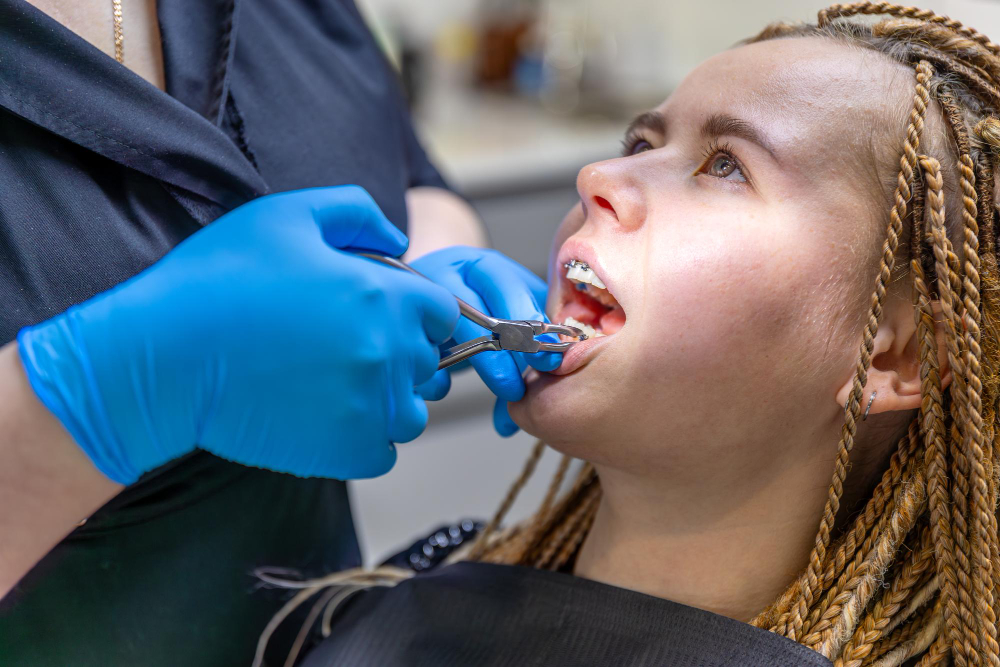
Introduction
Many people face common orthodontic problems at some point in life. These issues affect how teeth and jaws line up. As a result, they can cause trouble with chewing, speaking, and even smiling. However, early care can help prevent bigger problems later. In this blog, you will learn about common orthodontic problems and how to fix them. We will also discuss causes, treatments, and tips for better oral health.
Common Orthodontic Problems
Orthodontic problems come in many forms. Each one can affect your smile and oral health. Here are some of the most common issues:
Each of these problems can be fixed with the right orthodontic treatment options.
Causes of Orthodontic Issues
Several factors can lead to orthodontic problems. Some are present at birth, while others develop over time. For example, genetics play a big role. If your parents had crooked teeth, you might too. Other causes include:
Because these causes vary, it is important to see a dental specialist for advice.
Diagnosis and When to See a Dentist
Early diagnosis helps prevent bigger problems. Usually, dentists spot orthodontic issues during regular check-ups. However, you should see a dentist if you notice:
In many cases, children should have their first orthodontic check-up by age seven. But adults can benefit from orthodontic care too. If you live in a city with many dental clinics, like New York or Los Angeles, finding help is easy.
Treatment Options
There are several orthodontic treatment options to fix crooked teeth and other problems. Your dentist or orthodontist will suggest the best plan for you. Common treatments include:
With regular visits and good care, most orthodontic problems can be fixed.
Prevention and Oral Care Tips
Good habits can help prevent some orthodontic issues. Even after treatment, proper care keeps your smile healthy. Here are some tips:
Because prevention is easier than treatment, start these habits early.
Frequently Asked Questions
Can adults get braces?
Yes, braces for adults are common. Many people choose clear aligners for a less visible option.
How long does orthodontic treatment take?
Treatment time depends on the problem. Most people wear braces or aligners for 12 to 24 months.
Are orthodontic treatments painful?
You may feel mild discomfort when braces or aligners are adjusted. However, this usually goes away in a few days.
Will insurance cover orthodontic care?
Some dental insurance plans cover part of the cost. Check with your provider for details.
Conclusion
Orthodontic problems are common, but they can be fixed with the right care. Early treatment helps prevent bigger issues later. For the best results, consult Dr. Disha for personalized orthodontic guidance.