What is Sleep Apnea?
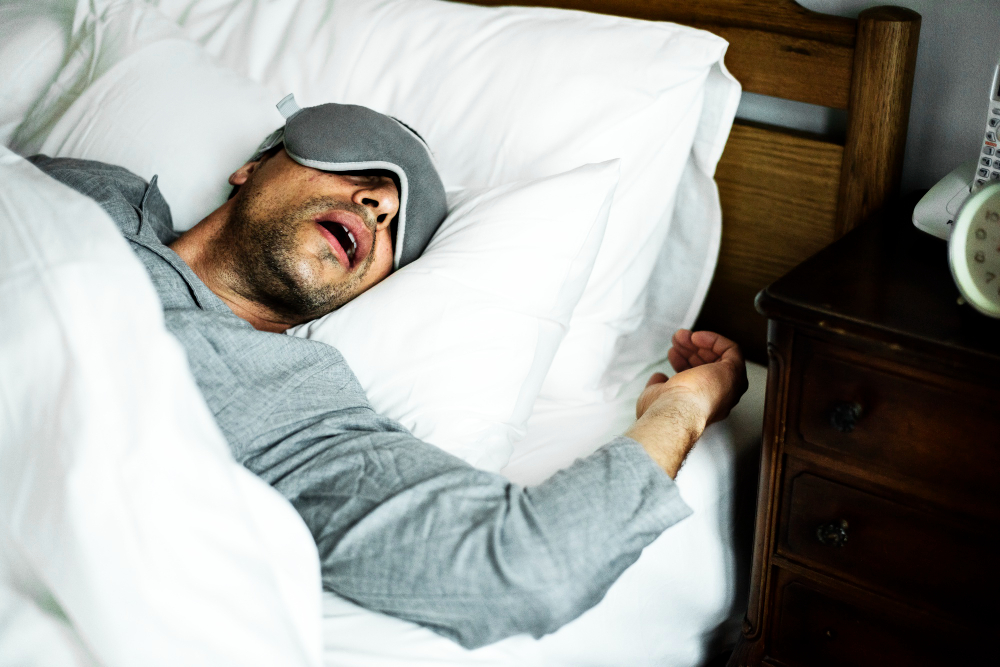
Sleep apnea is a common sleep disorder. It causes your breathing to stop and start while you sleep. Because of this, your body and brain may not get enough oxygen. There are two main types: obstructive sleep apnea and central sleep apnea. Obstructive sleep apnea is the most common. In this type, your throat muscles relax and block your airway. Central sleep apnea happens when your brain does not send the right signals to control breathing. Both types can harm your health. Understanding how sleep apnea affects your brain and body is important for everyone.
How Sleep Apnea Affects the Brain
Sleep apnea can have serious effects on your brain. First, it can cause problems with memory and thinking. Because your brain gets less oxygen at night, you may feel forgetful or confused during the day. In addition, sleep apnea can affect your mood. Many people feel more anxious, sad, or irritable. Over time, untreated sleep apnea can increase your risk of stroke. This is because low oxygen levels can damage blood vessels in the brain. For example, studies from the CDC show that people with sleep apnea have a higher risk of stroke and other brain problems. If you notice changes in your memory or mood, sleep apnea could be a cause.
How Sleep Apnea Affects the Body
Sleep apnea does not just affect your brain. It also impacts your body in many ways. For instance, it can raise your blood pressure. This puts extra strain on your heart. Over time, you may face a higher risk of heart disease or irregular heartbeat. Sleep apnea can also affect your metabolism. Some people gain weight or develop type 2 diabetes. Because your sleep is often interrupted, you may feel tired during the day. Daytime fatigue can make it hard to focus at work or school. According to the World Health Organization, untreated sleep apnea can lead to serious health problems. So, it is important to know the risks.
Common Symptoms and Warning Signs
It is not always easy to spot sleep apnea. However, there are some warning signs to watch for:
If you notice these symptoms, you should talk to a doctor or dentist. Early action can help prevent serious effects of sleep apnea on brain and body health.
Diagnosis and When to Seek Help
If you think you may have sleep apnea, do not wait to seek help. First, your doctor will ask about your symptoms and health history. Next, you may need a sleep study. This test checks your breathing, heart rate, and oxygen levels while you sleep. Sometimes, a dentist trained in sleep medicine can help spot signs of sleep apnea. If you have risk factors like obesity or a family history, you should get checked. Early diagnosis can prevent long-term problems. Remember, sleep apnea and body health are closely linked.
Treatment Options
There are several ways to treat sleep apnea. Your doctor will help you choose the best option. Common treatments include:
In some cases, surgery may be needed. However, most people improve with non-surgical treatments. Always follow your doctor’s advice for the best results.
Prevention and Lifestyle Tips
While you cannot always prevent sleep apnea, you can lower your risk. Here are some helpful tips:
Additionally, see your doctor or dentist if you have symptoms. Early action can protect your brain and body from the effects of sleep apnea.
Conclusion
In summary, sleep apnea can harm both your brain and body. It affects memory, mood, heart health, and more. However, with early diagnosis and the right treatment, you can manage the risks. Consult Dr. Disha for personalized advice on sleep apnea.