
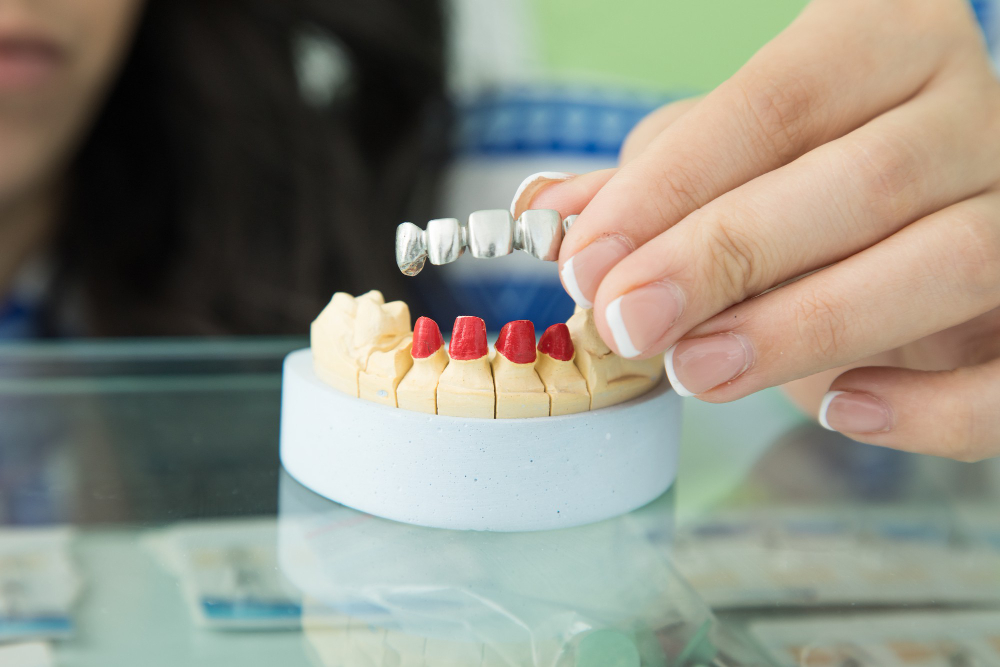
What is an Implant-Supported Bridge?
An implant-supported bridge is a dental device used to replace several missing teeth. Unlike regular bridges, this type uses dental implants as support instead of natural teeth. Dental implants for missing teeth act as artificial roots. They are placed in the jawbone and hold the bridge in place. Because of this, implant-supported bridges are strong and stable. Many people choose this option for a lasting solution to tooth loss.
Who Needs an Implant-Supported Bridge?
Not everyone needs an implant-supported bridge. However, you may be a good candidate if you:
For example, people who have lost teeth due to injury, decay, or gum disease may benefit. Still, your dentist will check your mouth and health before recommending this treatment.
Benefits of Implant-Supported Bridges
There are many advantages of implant-supported bridges. Some of the main benefits include:
Additionally, many patients find that their confidence improves after getting an implant-supported dental bridge. According to the American Dental Association, dental implants can help prevent bone loss in the jaw.
The Procedure: Step-by-Step
The implant-supported dental bridge procedure usually takes several visits. Here is a simple step-by-step guide:
Each step is important for a strong and lasting result. Your dentist will explain each stage and answer your questions.
Recovery and Aftercare Tips
After the procedure, proper care helps your implant-supported bridge last longer. Here are some helpful tips:
With good care, your implant-supported bridge can last many years. If you notice any problems, contact your dentist right away.
Risks and Considerations
Although implant-supported bridges are safe, there are some risks. These may include:
However, most people have no serious issues. Your dentist will discuss these risks and help you decide if this treatment is right for you. Always choose a qualified dentist for your implant-supported bridge in your city or region.
Frequently Asked Questions
In summary, an implant-supported bridge is a strong and natural-looking way to replace missing teeth. It offers many benefits and can improve your quality of life. Consult qualified dentist Dr. Disha, to find out if an implant-supported bridge is right for you.